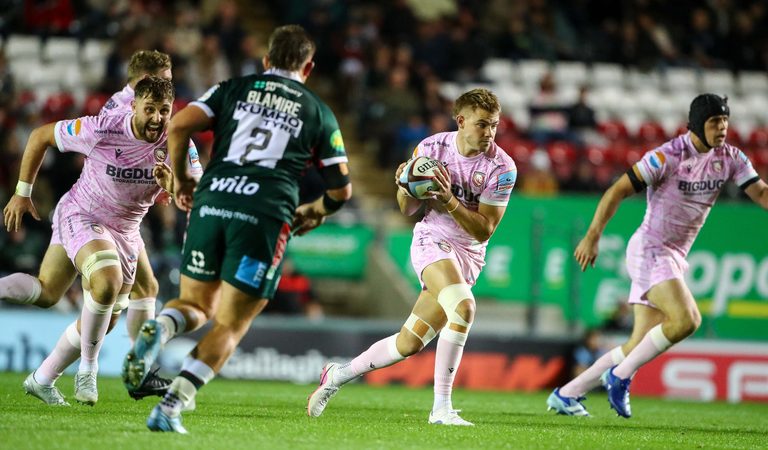
With the 2026 Six Nations less than a month away, England find themselves facing a rather unexpected dilemma. The combined injuries to Asher Opoku Fordjour and Will Stuart have significantly weakened a key position in the English set-up: tighthead prop. Behind the sparkling form of Joe Heyes, who has caught the eye with Leicester Tigers, depth is suddenly thin, forcing Steve Borthwick to reassess his options.
A strong England pack on paper, but vulnerable on the tighthead side
Collectively, England still head into the Championship with solid foundations up front. The pack has gained cohesion and clarity over the past year, driven in large part by the outstanding form of Ellis Genge. The loosehead prop, an established leader and a world-class operator in his position, is enjoying one of the most complete spells of his career. Dominant at the scrum, influential in open play and relentlessly active in defence, he remains one of the cornerstones of Steve Borthwick’s system.
On the tighthead side, the pecking order initially appeared straightforward. Will Stuart was expected to start. The Bath prop, an experienced international well versed in the demands of elite rugby, offered all the guarantees required at Test level. Behind him, Joe Heyes had emerged as a credible alternative, particularly given the significant strides made by the Leicester man in recent months. His impressive performances during the autumn internationals reshuffled the deck to some extent, hinting at a more open competition than first anticipated, without fully displacing Stuart’s original status.
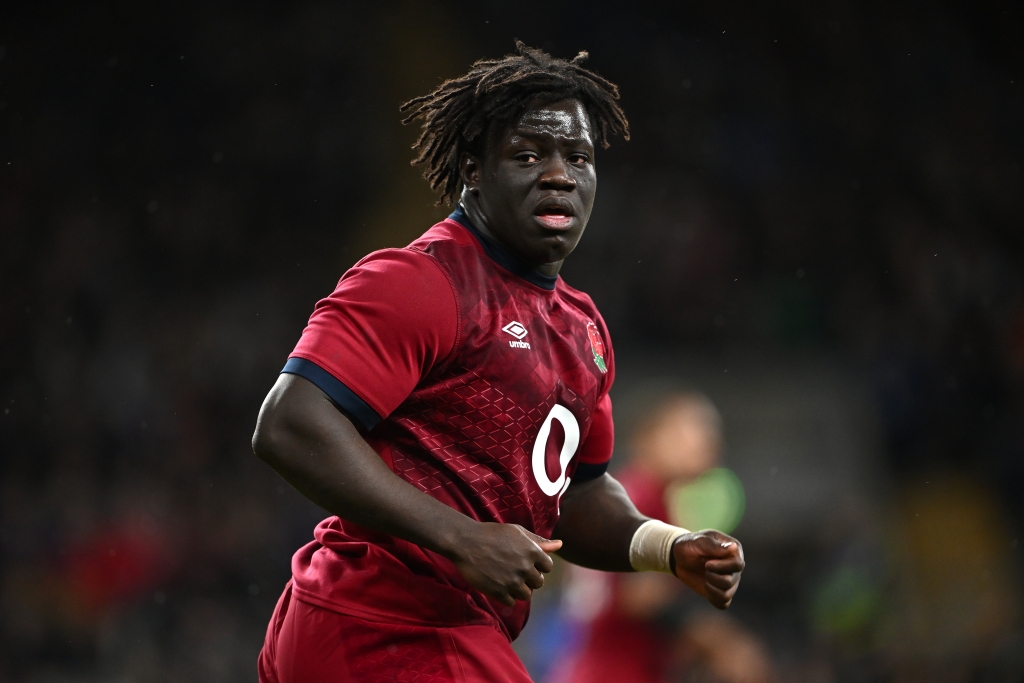
Behind them, Asher Opoku-Fordjour filled a different but equally valuable role. At just 21, the Sale Sharks prop had established himself as a genuine luxury replacement, capable of covering both sides of the scrum. His versatility, rare at this level combined with his early maturity made him an ideal bench option, while also representing the short-term future of the position. A player whose potential had been well known since England’s U20 World Championship triumph in 2024, Opoku-Fordjour embodied the next wave of English front-row talent.
Stuart’s injury, a serious Achilles rupture suffered in December, was the first major blow. Ruled out for the entire Championship, the Bath prop was expected to be a key cog in the England machine. But it was the subsequent loss of Opoku-Fordjour that truly pushed the situation into more worrying territory.
Sidelined by a shoulder injury sustained in training with Sale just as he was returning from an elbow issue, the young prop now faces surgery that will keep him out for several months. For England, the consequences are significant, with the tighthead position suddenly looking far less well stocked.
His absence leaves Joe Heyes as the only genuinely established international tighthead heading into the Six Nations. It is a precarious scenario, as reliance on a single player inevitably increases strategic risk. One knock, one dip in form, and the balance of the pack could be compromised. Steve Borthwick is therefore confronted with a delicate decision: prioritise short-term security through experience, or fast-track the integration of players still very much in development.
A range of contrasting options
The most obvious short-term solution is Trevor Davison. At 33, the Northampton Saints prop brings what the others cannot : experience. A three-cap England international, including a recent appearance on the 2025 summer tour when Borthwick was without his Lions contingent, Davison is a solid scrummager and a seasoned Premiership operator. Playing for a Northampton side currently top of the league, he may not be spectacular, but he understands the demands of Test rugby, has recent familiarity with the England environment and can steady the scrum when it matters most.
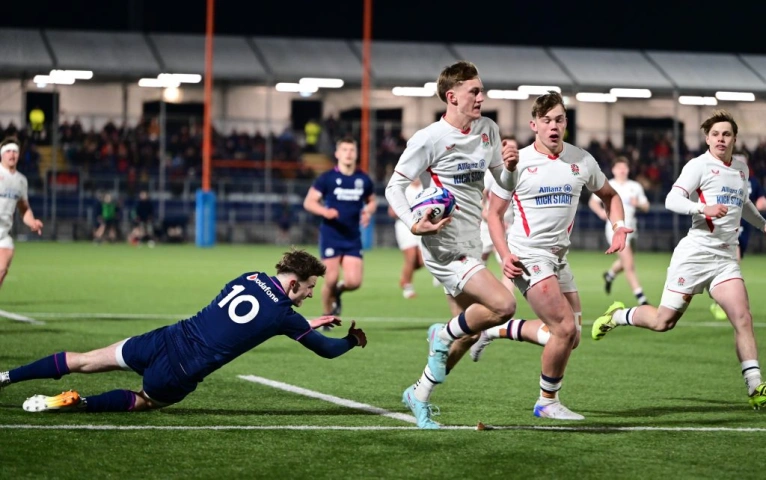
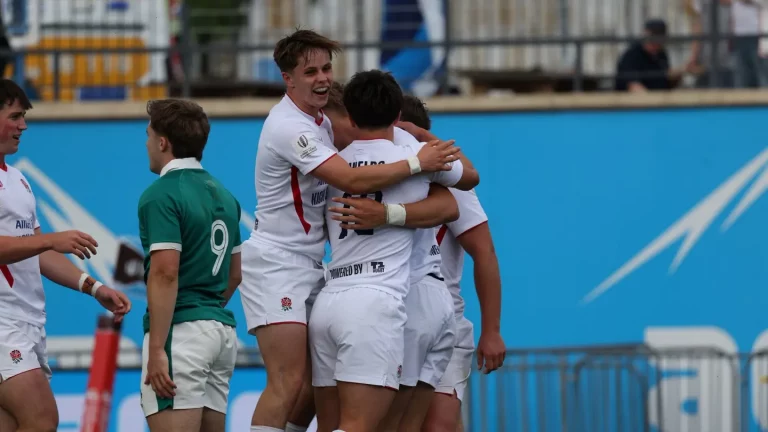
However, England’s gaze is also firmly fixed on the future. In that context, two names stand out: Afolabi Fasogbon and Billy Sela. Both crowned U20 world champions in 2024, aged 21 and 20 respectively, they represent the emerging generation in which the RFU has invested considerable hope.
At Gloucester, Fasogbon stands out for his raw power and long-term scrummaging potential. Still a work in progress technically, he is developing rapidly and could capitalise on the current absences to force his way into the wider squad. That said, Gloucester’s struggles — currently second from bottom of the Premiership complicate matters. Operating within a struggling side is rarely the most straightforward way to catch a selector’s eye or accelerate development.
Billy Sela, by contrast, appears almost the stylistic opposite of Fasogbon. Though only a year younger, the Bath prop offers a more mobile profile, with greater impact in the loose. Crucially, he plays for a Bath side currently second in the Premiership, a context that naturally enhances visibility, even if his game time has been more limited this season (464 minutes compared to Fasogbon’s 745). His two Champions Cup appearances — a defeat away at Toulon followed by last weekend’s home victory against Castres, in which he played an hour in both matches — have nonetheless exposed him to the highest level of competition. Exactly the type of environment he could encounter should Borthwick opt to trust him during the Six Nations.
Already integrated into the England A set-up towards the end of 2025 — a recognised bridge between the U20s and the senior squad, Sela, along with Fasogbon, may well find themselves locked in a fierce battle for a coveted place in England’s Six Nations group.