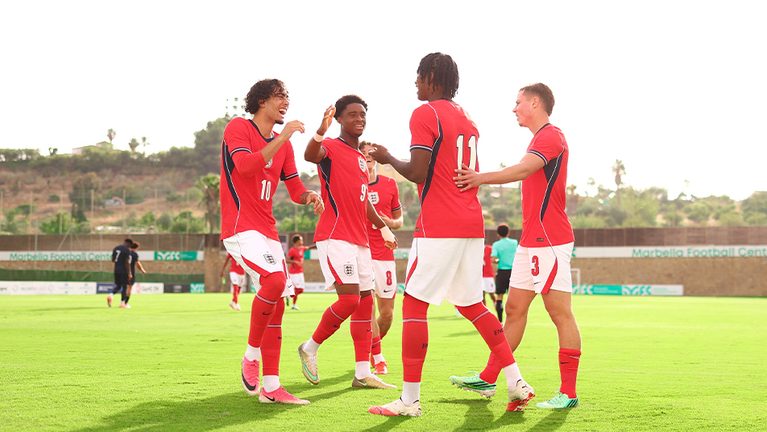
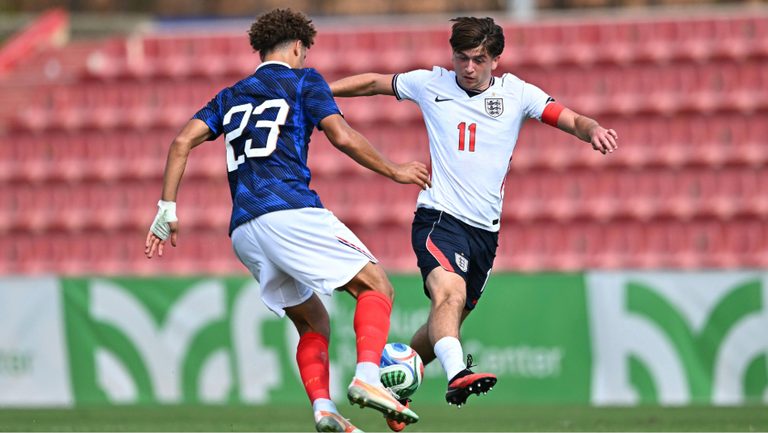
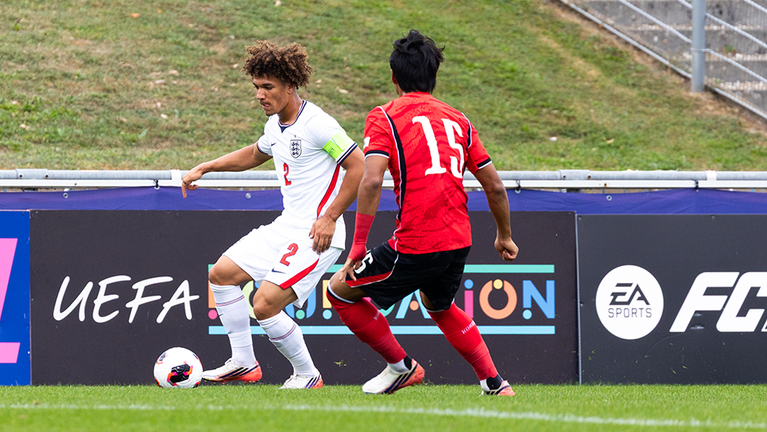
At Wolverhampton, the 2025–26 campaign had until now felt like a long and painful trek through the wilderness. No wins, no identity, and barely a flicker of hope. Then Mateus Mané emerged. At just 18, the Portugal-born but England-developed forward has become, in the space of a few weeks, the symbol of a fragile yet genuine revival for the Midlands club, who have collected three times as many points in three matches as they had managed across the rest of the season.
Mateus Mané: an unconventional pathway to an early breakthrough
Born on 16 September 2007 in Barreiro, Portugal, Mané grew up far from the spotlight of football’s most heavily publicised academies. He began his development at local side Barreirense before leaving his homeland at the age of eight to settle in England with his family. In 2016, he joined Rochdale’s academy — a move that may have raised eyebrows in an era dominated by elite youth systems, but one that would prove pivotal.
At Rochdale, then well removed from the glare of the Premier League, Mané was able to hone his game away from excessive pressure. The environment allowed him to develop naturally, refining his movement, work rate and intelligence in the final third without the weight of expectation that often stifles young talent.
His progress was convincing enough to earn him a place on a senior matchday bench in February 2024, in the National League, at just 16 years of age. Wolverhampton Wanderers were quick to recognise his potential. Later that month, the Wolves brought him into their academy, convinced they were securing one of the most exciting attacking profiles of his generation.
A year on, his transition into the first-team picture began gradually. Named in a Premier League squad for the first time against Fulham in February 2025, Mané made his professional debut on 10 May 2025 away to Brighton. The result was a defeat, but it marked the beginning of a steady ascent.
The following season, despite a disastrous collective campaign, Mané began to force his way into prominence. After several substitute appearances, he was handed his first Premier League start at Anfield on 27 December 2025. Another defeat followed, but his performance was rich in personality and courage. Then came the breakthrough. On 3 January 2026, against West Ham, Mané scored his first senior goal, played a role in another and won a penalty, as Wolves finally claimed their first victory of the season.
His rise has also attracted attention on the international stage. Born in Portugal to Bissau-Guinean heritage and holding British citizenship, Mané was called up simultaneously by Portugal and England at under-18 level. He ultimately opted to represent England — welcome news for the Three Lions, even if the decision may not yet be set in stone.
Wolves’ revival driven by Mané’s energy and fearlessness
It would be an exaggeration to suggest that Mateus Mané alone has rescued Wolverhampton. But it would be equally misleading to downplay his influence. Prior to 30 December 2025, Wolves had collected just two points all season, mired in a historically bleak downward spiral. Since then, they have taken five points from three matches — modest progress on paper, with the club still rooted to the foot of the table, but enormous from a psychological standpoint.
The upturn began with a draw at Old Trafford, before being truly ignited by a 3–0 victory over West Ham — Wolves’ first league win of the campaign. Mané was central to everything. He was involved in the build-up to the opener, won the penalty for the second, and calmly dispatched the third himself. A complete performance, fully reflective of his all-action style.
Rob Edwards has been quick to acknowledge the teenager’s impact. Speaking after the match, the Wolves head coach highlighted not only Mané’s technical quality but, more importantly, his influence on the group: his energy, bravery and refusal to play with fear, even in the most intimidating stadiums. At Anfield, Old Trafford and now Molineux, Mané has never looked overawed by the occasion.
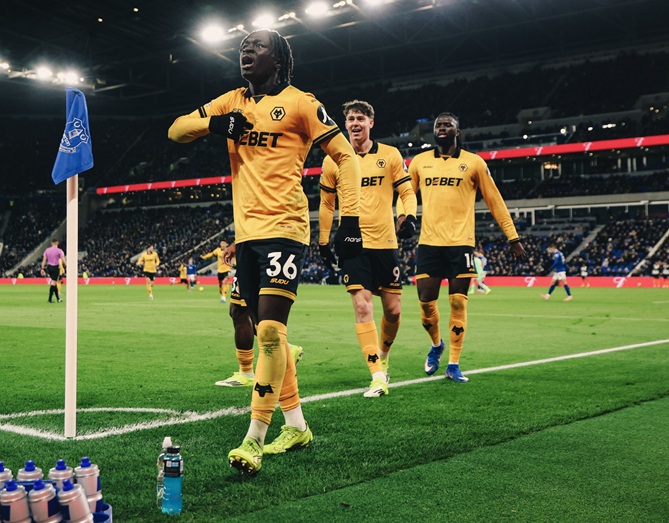
And on Wednesday night, he once again underlined his growing importance, scoring Wolves’ only goal away at Everton’s Hill Dickinson Stadium to secure a 1–1 draw and extend their unbeaten run to three matches. What stands out is the sense that Mané plays with freedom — almost carefree — in a side weighed down by pressure and the urgent need for results. That freedom has proved infectious. Wolves are playing higher, pressing more aggressively, taking greater risks — and, as a result, performing better.
Mané’s role has now grown beyond that of a promising youngster. He has become a reference point, almost an anchor, in a team searching for stability. At 18, he already gives the impression of a leader, leading by example rather than words.
Of course, the challenges ahead remain significant: consistency, physical demands, increased media attention, and quite possibly a season in the Championship, given the sizeable gap to the teams above them. But for Wolverhampton Wanderers, thanks to Mateus Mané, the future is finally beginning to look a little brighter.