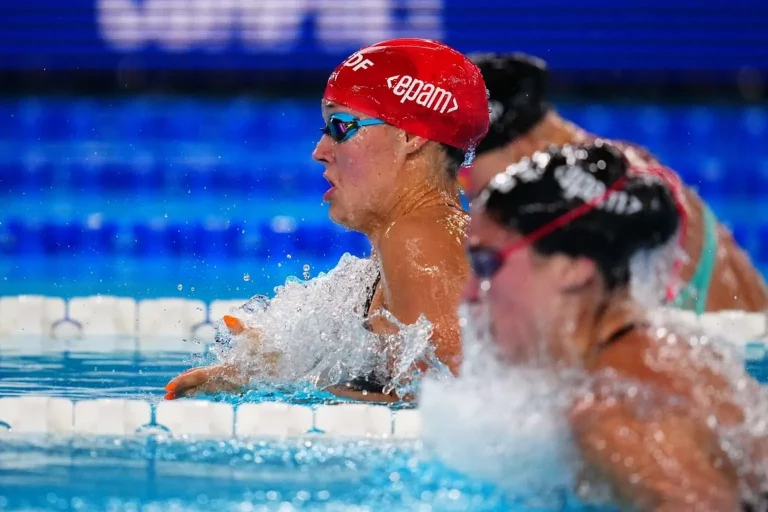
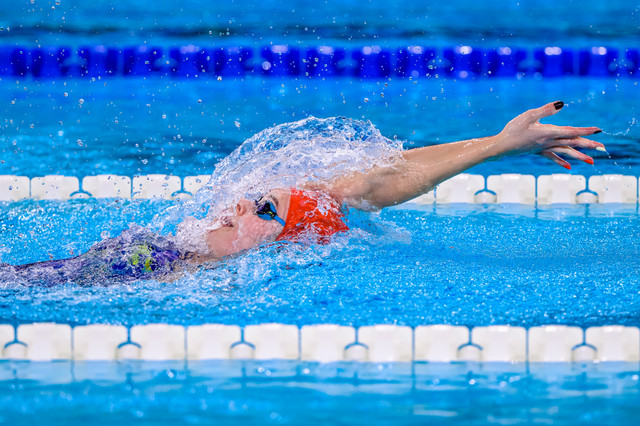
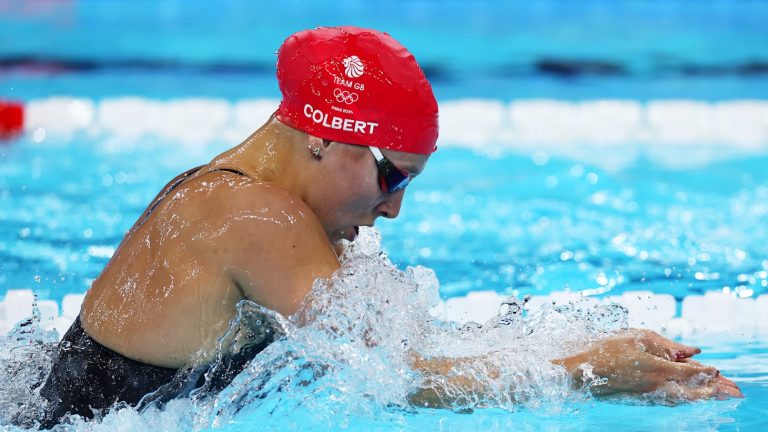
With the 2025 European Short Course Championships fast approaching in Lublin from 2–7 December, the british swimming federation unveiled a 17-strong squad blending seasoned international campaigners with rising prospects at a pivotal moment in the next Olympic cycle. The selection naturally features many of the established names who have underpinned Britain’s success in recent years, but all eyes inevitably turn to one newcomer whose emergence has been impossible to ignore for several months: Filip Nowacki, the teenage breaststroke specialist who will make his debut on the senior stage.
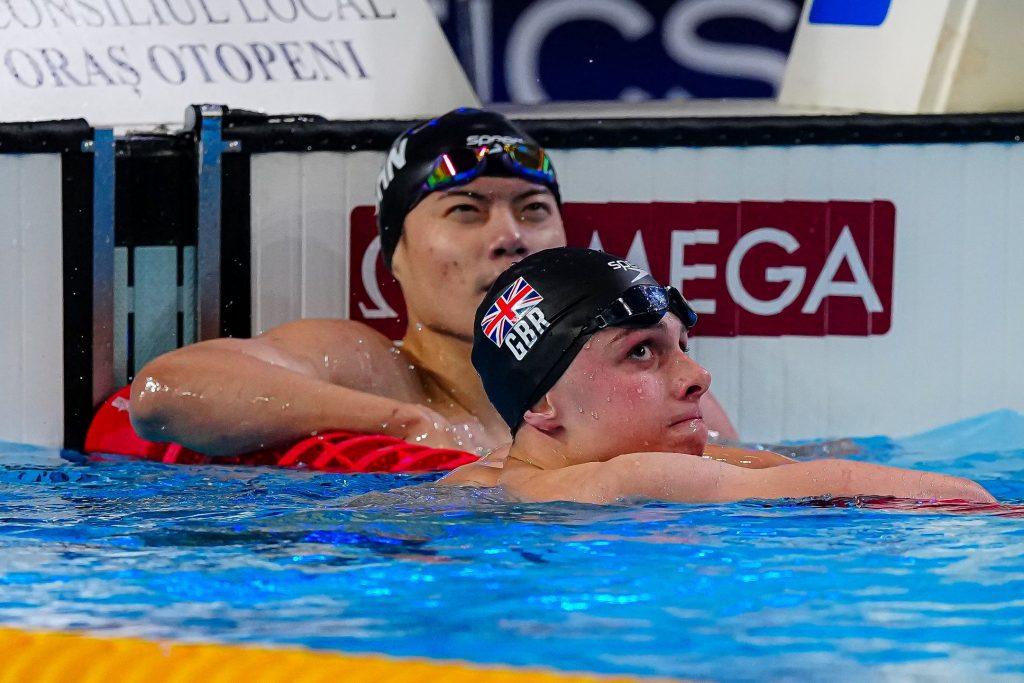
Filip Nowacki a precocious breaststroke talent stepping into the senior arena
It is uncommon for a British swimmer this young to carry such weight of expectation, yet Filip Nowacki belongs to that rare breed whose progress appears almost metronomic in its upward trajectory. Everything about his 2025 season points to a sporting maturity far beyond his years, whether in the technical construction of his races, his ability to withstand pressure or the ease with which he produces world-class swims across multiple distances in the space of just a few days. Raised in Jersey with the Tigers Swimming Club before moving to Millfield under the guidance of Kieron Piper, he has advanced over the past two seasons at a pace few European or even global juniors have been able to match.
His summer offered the clearest illustration of that momentum. At the European Junior Championships he dominated the entire breaststroke programme, first lowering the continental junior record in the 200 metres with a 2:09.11 in the semi-finals before confirming his superiority with a composed and meticulously paced swim in the final. Over 100 metres he toppled a succession of British age-group marks before sealing gold in 59.59, a time that already places him among the quickest in history for his age and, remarkably, fourth on the all-time British rankings behind Adam Peaty. Even in the sprint he proved formidable, taking silver in the 50 metres in 27.61, bringing him within touching distance of Peaty’s British 18-years-old best.
That European campaign naturally carried into the World Junior Championships in Otopeni where he completed the job by taking the world title in the 100 metres breaststroke in 59.20, a lifetime best confirming both his consistency at international level and his capacity to rise precisely when the moment demands it. His breakthrough is not confined to junior competition either: only months earlier he had already broken into the top three of a packed senior 100 metres at the 2025 British Championships with 1:00.28 behind Gregory Butler and Max Morgan, a clear indication that he can already challenge established domestic names.
These European Championships will therefore provide the ideal stage for Nowacki to test himself against the finest continental specialists across all three breaststroke distances. And despite his age and limited senior experience, the idea of him reaching the podium — or even snatching a title — is far from fanciful given the scale of his potential and the level he is already operating at.
The British team for Lublin 2025
Around Nowacki, Aquatics GB have assembled a squad with a dual profile: on one side the trusted pillars who have carried British swimming through recent cycles, and on the other a cohort of younger athletes feeding into a renewal that has been steadily taking shape.
In the absence of Adam Peaty, Britain will still field some of the most recognisable figures in their programme. Matt Richards arrives intent on maintaining his status among Europe’s elite sprinters, though he will have to contend with Romania’s prodigy David Popovici. Duncan Scott once again stands out as one of the most versatile and reliable contributors in the national set-up, while Freya Anderson remains exceptionally well suited to short-course racing where her efficiency consistently translates into medals. Freya Colbert, Luke Greenbank and Katie Shanahan return for another European campaign after playing a central role in Britain’s recent continental successes, reinforcing the technical and mental backbone of the group.
Alongside this core are Tom Dean and Max Litchfield, two experienced performers whose presence provides essential depth for the relays and medley events. Newly crowned British 100 metres breaststroke champion Gregory Butler brings a seasoned profile to the breaststroke group and pairs intriguingly with Nowacki — though it is increasingly reasonable to argue that the youngster is now the quicker of the two. The relay squads will draw strength from this breadth of talent, particularly from the training hubs in Stirling, Loughborough and Manchester which continue to underpin Britain’s domestic depth.
Also mirroring Nowacki’s pathway, Jack Skerry — the 2025 European U23 champion — embodies the federation’s determination to integrate emerging athletes into senior competition with clarity and continuity. Already experienced at continental level, he will once again face a field dense enough to further accelerate his transition to the elite ranks. As ever this phased integration unfolds under the eye of Aquatics GB head coach Steven Tigg, who reiterated the importance of such intermediate meets in shaping the seasons ahead.
• Freya Anderson – University of Stirling
• Gregory Butler – Aquatics GB Performance Centre Loughborough
• Freya Colbert – Aquatics GB Performance Centre Loughborough
• Lauren Cox – Aquatics GB Performance Centre Manchester
• Tom Dean – University of Stirling
• Angharad Evans – University of Stirling
• Luke Greenbank – Aquatics GB Performance Centre Loughborough
• Max Litchfield – Aquatics GB Performance Centre Loughborough
• Jack McMillan – University of Stirling
• Oliver Morgan – University of Birmingham
• Filip Nowacki – Millfield
• Eva Okaro – Repton
• Emily Richards – Aquatics GB Performance Centre Manchester
• Matthew Richards – Aquatics GB Performance Centre Manchester
• Duncan Scott – University of Stirling
• Katie Shanahan – University of Stirling
• Jack Skerry – Aquatics GB Performance Centre Bath